
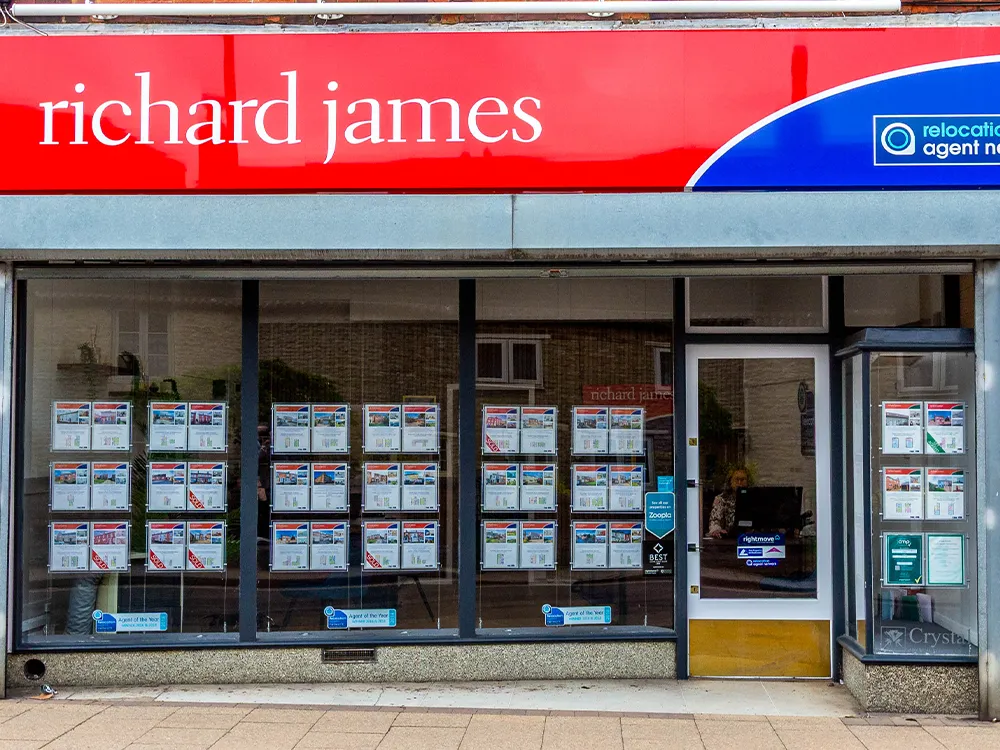
Opening in 1999, the Irthlingborough office of Richard James Estate Agents has dominated the market in the NN9 area since if opened. The office is headed by Director; Mike Taylor who is has a strong local reputation for offering dependable advice when valuing properties.
Mike also heads up property sales to ensure the office is the market leader in the area and known as the ‘go to’ business when looking to move in or out of the town. The Irthlingborough office also covers local villages such as Great Addington, Little Addington, Raunds and Woodford as well as a strong presence in the adjoining town of Finedon.
Irthlingborough offers a balance of a small-town community life and convenient access to larger towns and shopping centres. Residents benefit from nearby green spaces, riverside walks, good transport links, local schools and essential services. Close proximity to Rushden Lakes also provides extensive retail, restaurant and leisure facilities while maintaining a quieter residential environment.
Irthlingborough is a historic market town in North Northamptonshire, England, situated along the picturesque River Nene. Known for its friendly community, scenic surroundings, and convenient location, the town offers the perfect balance of small-town charm and modern amenities.
With a population of around 9,325 as of the 2021 Census, Irthlingborough is a thriving and welcoming place to live. Its community spirit is evident through local events, independent shops, traditional pubs, and active community organisations, making it an appealing destination for families and professionals alike.
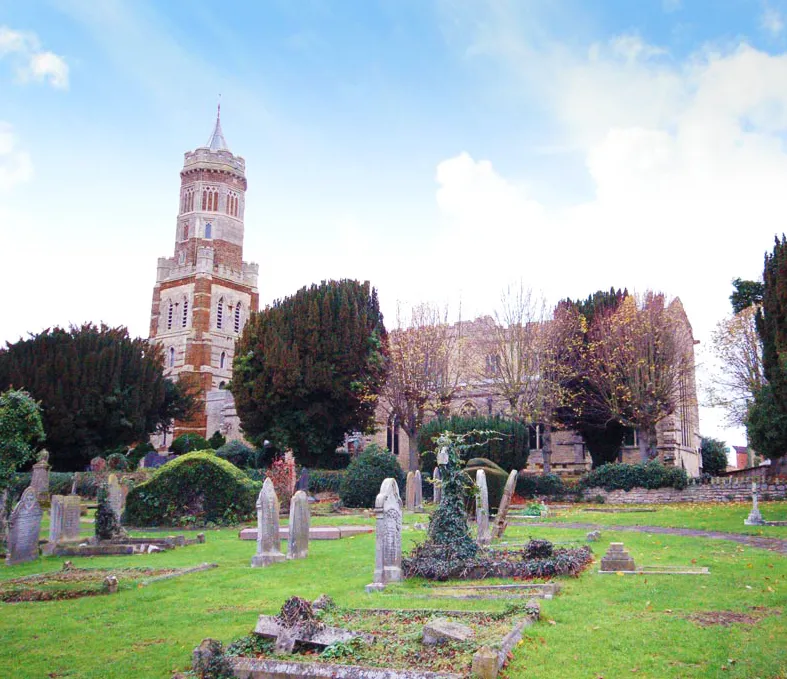
Irthlingborough combines a strong community feel with access to nature and outdoor activities. The Irthlingborough Lakes and Meadows is a large wildlife reserve created from former gravel pits, offering walking and cycling trails, bird-watching spots, and family-friendly outdoor activities. Historic sites such as St Peter’s Church, with its distinctive lantern tower, highlight the town’s rich heritage, while local shops, cafés, and eateries bring character and convenience to everyday life.
Although the town’s local railway station closed in the 1960s, Irthlingborough benefits from easy road connections to nearby towns including Wellingborough and Rushden, making it a practical base for commuters and those exploring the wider region.
With its growing population, new housing opportunities, scenic green spaces, and strong community spirit, Irthlingborough is a town that blends history, natural beauty, and modern living. It’s an ideal choice for families, professionals, and anyone looking for a welcoming town with plenty to offer.
Together, these developments are not only increasing housing supply but also supporting new schools, healthcare services, community hubs and employment opportunities — reinforcing Wellingborough’s long-term growth.
One of Wellingborough’s strongest advantages is its excellent transport connectivity. The town’s railway station provides direct services to London in under an hour, making it a practical base for commuters who want more space and value while remaining connected to the capital.
Road links are equally convenient, with easy access to the A45 and A14, connecting residents to the wider Midlands region and beyond.
Irthlingborough is a town with a rich history stretching back over a thousand years. Its name is thought to come from Old English, meaning “the fort or settlement of the family or followers of a man called Yrtla”, highlighting its Anglo-Saxon origins.
The town first appears in the Domesday Book of 1086, showing it was already a settled community with farmland and resources. During the medieval period, Irthlingborough developed as a small market town serving surrounding villages, with a growing local economy centered on agriculture and trade.
A notable historic landmark from this period is the Artleborough Bridge, a stone bridge crossing the River Nene. The bridge has long been an important crossing point, connecting the town to surrounding areas and supporting trade and travel for centuries. It remains a key feature of Irthlingborough’s heritage today.
By the 18th and 19th centuries, Irthlingborough became known for boot and shoe making, forming part of Northamptonshire’s wider leather and footwear industry. This brought employment and contributed to the town’s steady growth.
The arrival of the railway in the 19th century further boosted the town’s connectivity, linking Irthlingborough to nearby towns and major cities and supporting both commerce and residential expansion.
Throughout the 20th century, Irthlingborough continued to grow with new housing, schools, and civic facilities. While the town modernized, it retained its market town charm and a strong sense of community.
Today, Irthlingborough blends its historic roots with modern amenities. Landmarks such as St Peter’s Church, with its distinctive lantern tower, the Artleborough Bridge, and the nearby Irthlingborough Lakes and Meadows showcase the town’s rich heritage and natural beauty.
Irthlingborough’s history is a story of resilience, adaptation, and community — a legacy visible in its buildings, streets, and the welcoming spirit of its residents.
Thinking of selling your home but not sure what it is worth?
Get a free up-to-date valuation of your property from one of our local property experts.
