
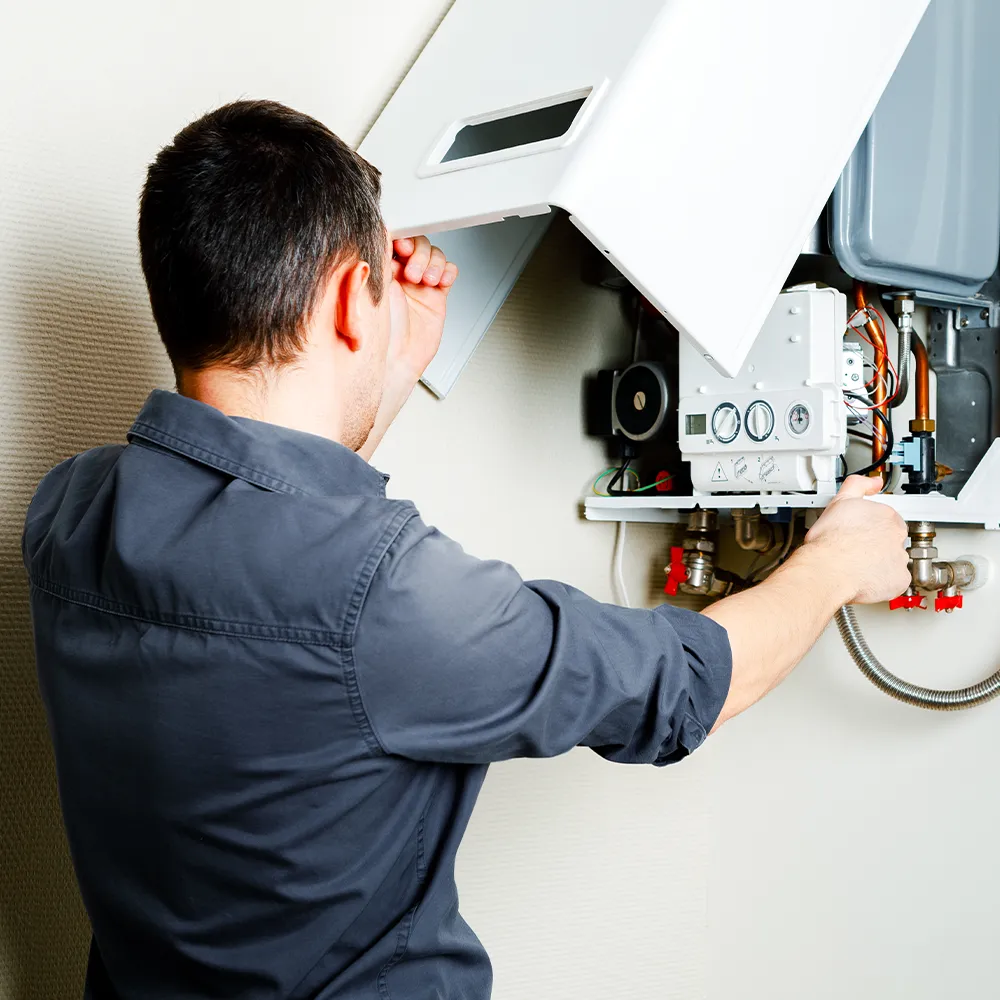
Under the Gas Safety (Installation and Use) Regulations 1998, landlords must arrange an annual Gas Safety Check on all gas appliances, fittings, chimneys, and flues.
Only Gas Safe registered engineers are permitted to carry out this work. A copy of the Landlord Gas Safety Record must be given to tenants within 28 days of the check (or before a new tenancy begins).
We work exclusively with fully qualified and accredited contractors to ensure all gas and electrical safety checks meet current legal standards.
Smoke and Carbon Monoxide Alarms
The Smoke and Carbon Monoxide Alarm (Amendment) Regulations 2022 require landlords to:
Tenants are responsible for testing alarms regularly and replacing batteries when needed.
Penalties for Non-Compliance
Failure to comply with these safety regulations can result in substantial financial penalties (up to £30,000 for electrical safety breaches), potential prosecution, and in severe cases, imprisonment.
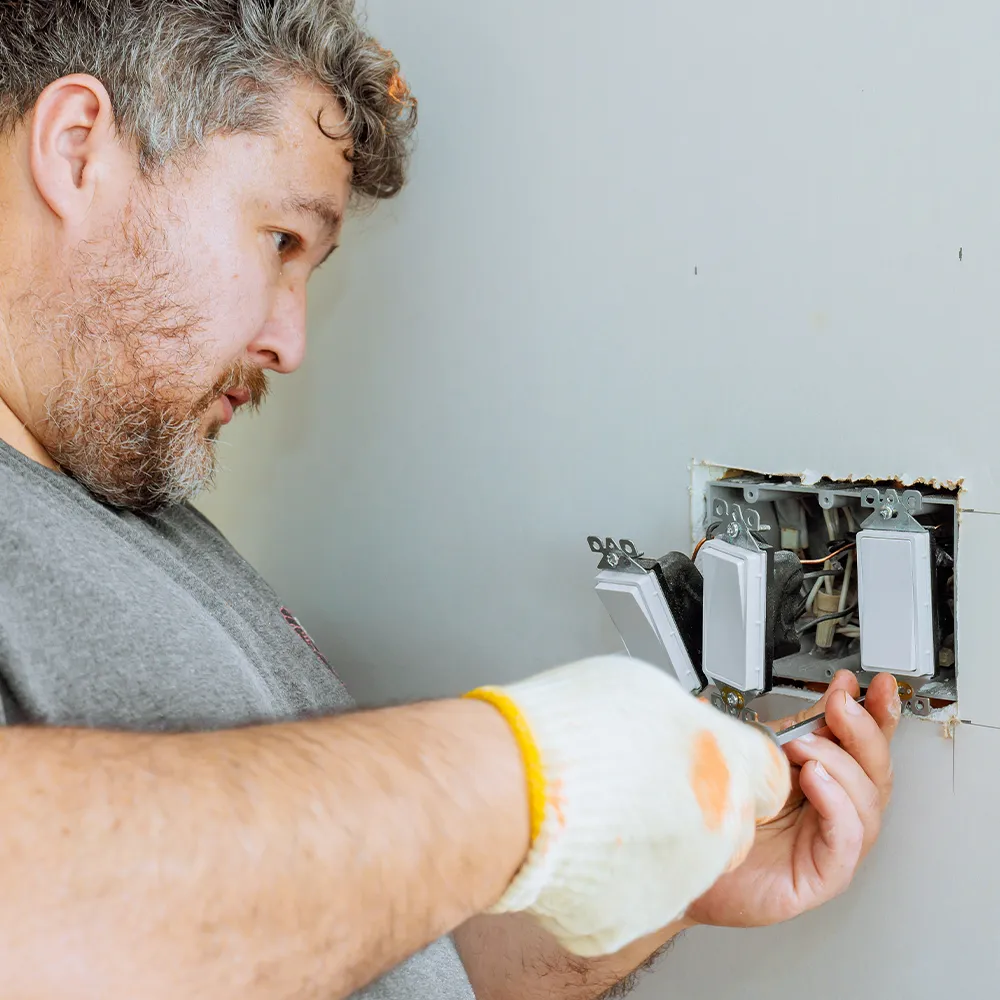
The Electrical Safety Standards in the Private Rented Sector (England) Regulations 2020 require that all fixed electrical installations in rented properties are inspected and tested by a qualified electrician at least every five years.
A copy of the Electrical Installation Condition Report (EICR) must be provided to new tenants before they move in, and to existing tenants within 28 days of the inspection.
While portable appliance testing (PAT) is not a legal requirement, landlords still have a duty of care under the Electrical Equipment (Safety) Regulations 2016 and The Plugs and Sockets etc. (Safety) Regulations 1994 to ensure that any electrical appliances supplied are safe. We strongly recommend all appliances are independently tested at the start of each tenancy.
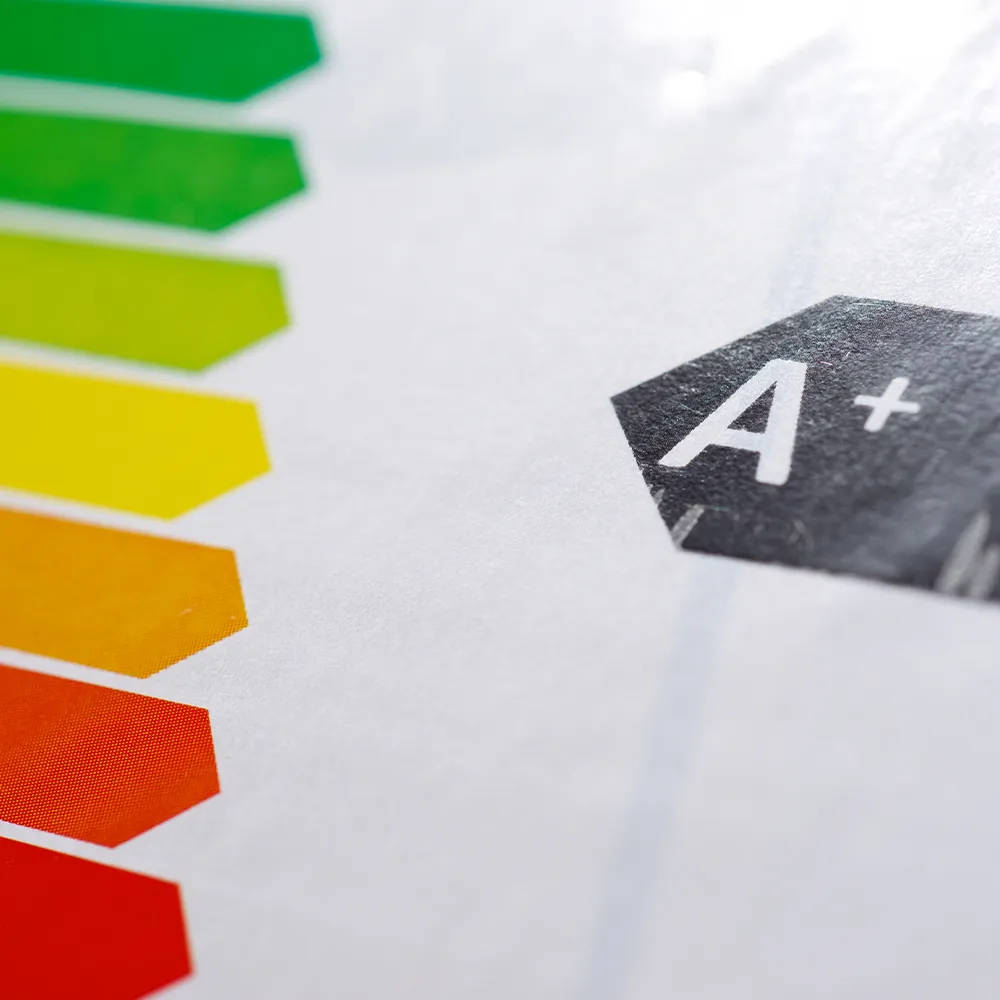
Since October 2008, all private residential properties available for let in England and Wales must have a valid Energy Performance Certificate (EPC).
We ensure that all properties we manage meet current energy efficiency standards and that EPCs are up to date for every tenancy.

Legionella is a potentially fatal bacterial infection that can be contracted by inhaling water droplets containing the bacteria. It can develop in hot and cold water systems, including storage tanks that are not functioning properly or have been stagnant for extended periods.
Under the Health and Safety at Work etc. Act 1974 and the Control of Substances Hazardous to Health (COSHH) Regulations 2002, landlords have a duty of care to ensure water systems do not pose a risk to tenants. The Approved Code of Practice (ACOP L8: Legionnaires’ Disease – The Control of Legionella Bacteria in Water Systems) applies to domestic properties and provides guidance for managing this risk.
While a Legionella Risk Assessment is not a strict legal requirement for all domestic rental properties, it is strongly recommended that landlords carry out a formal assessment every two years to demonstrate due diligence and compliance with health and safety obligations.
We work with qualified contractors to arrange Legionella Risk Assessments and water system safety checks on your behalf, helping you meet your legal responsibilities and keep tenants safe.
We are happy to obtain tailored quotations for a full range of Landlords Insurance Services, helping you protect your property, income, and peace of mind.
Our services include:
We work with reputable insurance providers to offer competitive rates and policies suited to your individual needs. Please contact us for more information or to arrange a personalised quotation — we’ll guide you through the options and make the process straightforward and hassle-free.
Thinking of selling your home but not sure what it is worth?
Get a free up-to-date valuation of your property from one of our local property experts.
