


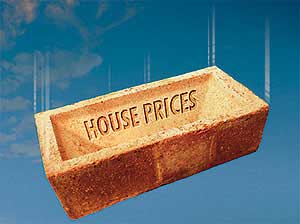
 Every month we are bombarded with statistics and data about house prices.
One month they are up 0.3%, the next they are down 0.9% and so on.
Is this data accurate?
The answer is, No!
First of all much of the data is based on sales put together by Estate Agents some months before. By the time a sale has completed and registered it can be four or five months after the price was originally agreed.
Furthermore two of the biggest mortgage lenders in the country Nationwide Building Society and Halifax PLC do not include cash sales within their data, which obliviously distorts the true picture as cash equates for a good percentage of sales. The Council of Mortgage Lenders also work on a similar platform, omitting cash sales and working more on the amount of money lent.
Land Registry data will probably give the best guide to house prices, although you have to take into account the data is based on property sales from up to five months ago, cash sales are included and repossessions and transfers of equity are excluded which gives an overall truer picture. This data can also be drilled down to specific regions and postcode areas. After all most towns and cities have local economic issues which will may be different to the rest of the country.
The Institute of Chartered Surveyors also publish data which is mainly based on a survey of trends from its members. Surely a subjective questionnaire about various housing issues, including the numbers of available buyers can only act as an indicator.
Does it really matter too much if the price of a house has changed marginally on a piece of paper from month to month? A house should be treated as a home and if you manage to pay your mortgage off, you will still find no better investment.
Overall any data should be treated very cautiously and cannot be relied upon to be a true reflection of the market as a whole. This data is very confusing as it varies so much between each body; and do we really need a muddled monthly update or should the market just be left to its own devices to find its own price structure.